Guide to Industrial Gearbox Components
2023-08-23
The gearbox is an invention that offers enhanced efficiency, control, and precision in mechanical systems, found in almost everything from automobiles to industrial machinery.
It enables us to utilize the power of engines, translating raw energy into dependable force. While the gearbox is an essential component in various machines, the device itself is actually an intricate piece of machinery containing different parts and gears, each with a unique purpose that contributes to the capabilities of a gearbox.
Let’s explore what a gearbox is and the main components of a gearbox!
What is a Gearbox?
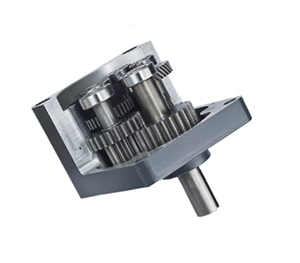
A gearbox, also known as a transmission system, is a mechanical device used in vehicles and machinery to manage the speed, torque, and direction of power transmission.
The primary function of the gearboxes is the adjustment of torque and speed according to the needs of specific applications. By changing gears, one can optimize the balance between torque and speed, allowing systems to perform effectively in various situations.
Gearboxes also serve to transmit power from the engine (or motor) to the wheels or other driven components. They enable the power source to operate at its optimal speed and power output while adjusting those outputs to suit the requirements of the load. Beyond maintaining power transmission, modern gearboxes are designed for precision, delivering smooth power transfer to guarantee a comfortable and efficient driving experience.
How Does a Gearbox Work?
The fundamental mechanism behind a gearbox is gear reduction or multiplication.
This involves the interaction of different gears with varying sizes and tooth counts to achieve specific speed and torque configurations.
A smaller gear connected to a larger one creates gear reduction, reducing output speed and increasing torque. Conversely, a larger gear driving a smaller one results in gear multiplication, increasing output speed while decreasing torque.
When a power source turns the input gear (driving gear), the interlocking teeth cause the connected gears to rotate. By choosing specific gear configurations, the desired balance between speed and torque can be attained.
Gearbox Components Explained
Now we are finally getting into the main course of today’s article – the main components of a gearbox:
1. Box Housing and Cover:
The main housing is typically a sturdy enclosure that houses the gears and other internal components.
It is designed to protect the gearbox components from environmental factors, maintain proper alignment, and provide lubrication for smooth operation.
It is usually made from tough metals like aluminum alloy or iron to ensure optimal durability and heat dissipation.
The gearbox cover (or casing) is a removable part of the enclosure that provides access to the internal gearbox components for maintenance and repair.
2. Gears:
Gears play an indispensable role in various mechanical systems, serving as the essential components that realize power transmission.
Let’s take a deeper look into the different types of gears that can be found in a gearbox:
a) Spur Gears:
Spur gears are characterized by straight teeth running parallel to the gear's axis.
They are the typical go-to choice for many designers seeking reliable motion transfer. Due to their straightforward design, they offer the advantage of simplicity in manufacturing and assembly.
They help in the smooth transmission of power in vehicles while providing consistent operational efficiency in household appliances and industrial machinery.
b) Helical Gears:
As the name suggests, these are helix-shaped gears with teeth that cut at an angle to the gear axis.
With the unique design, helical gears offer advantages over spur gears, especially when it comes to minimizing noise.
Their design is particularly suitable for applications demanding higher torque transmission, such as in heavy-duty vehicle transmissions where smooth operation is required.
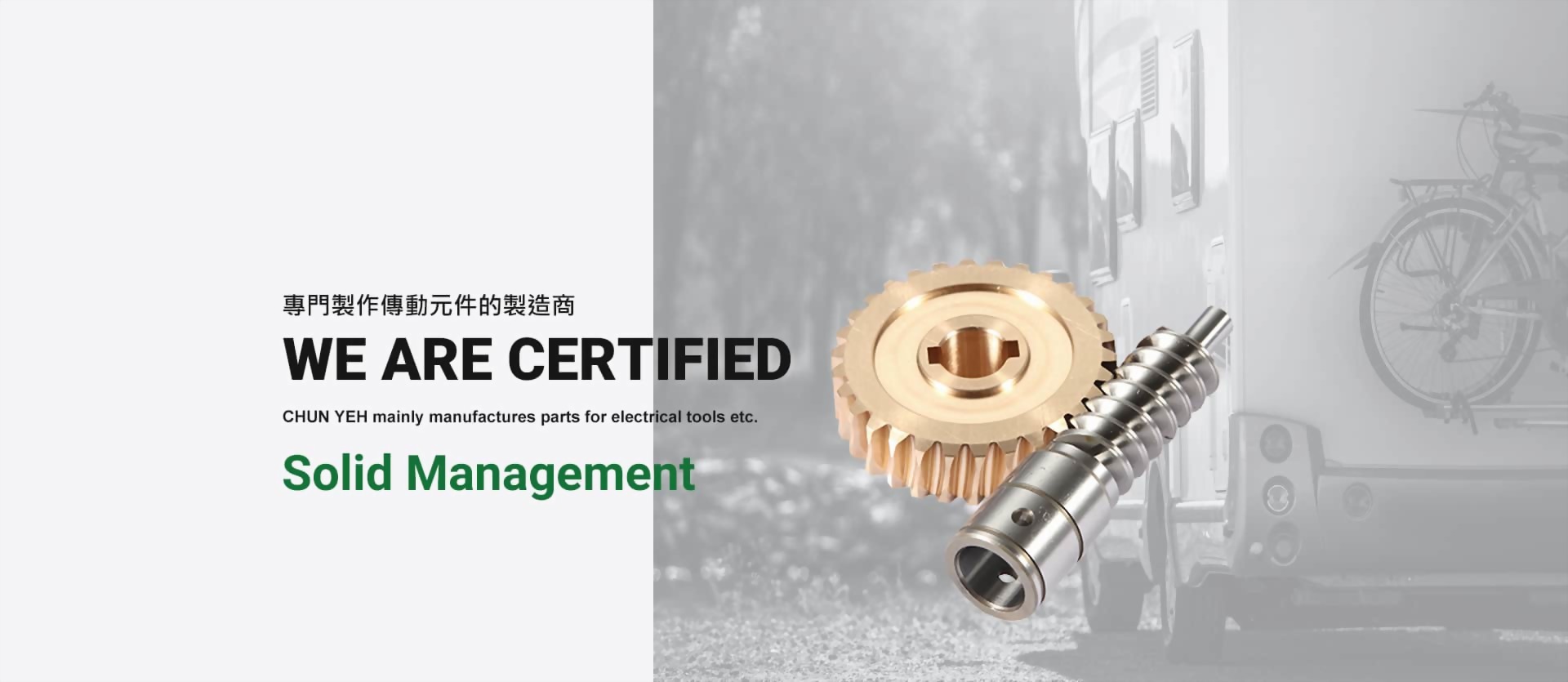
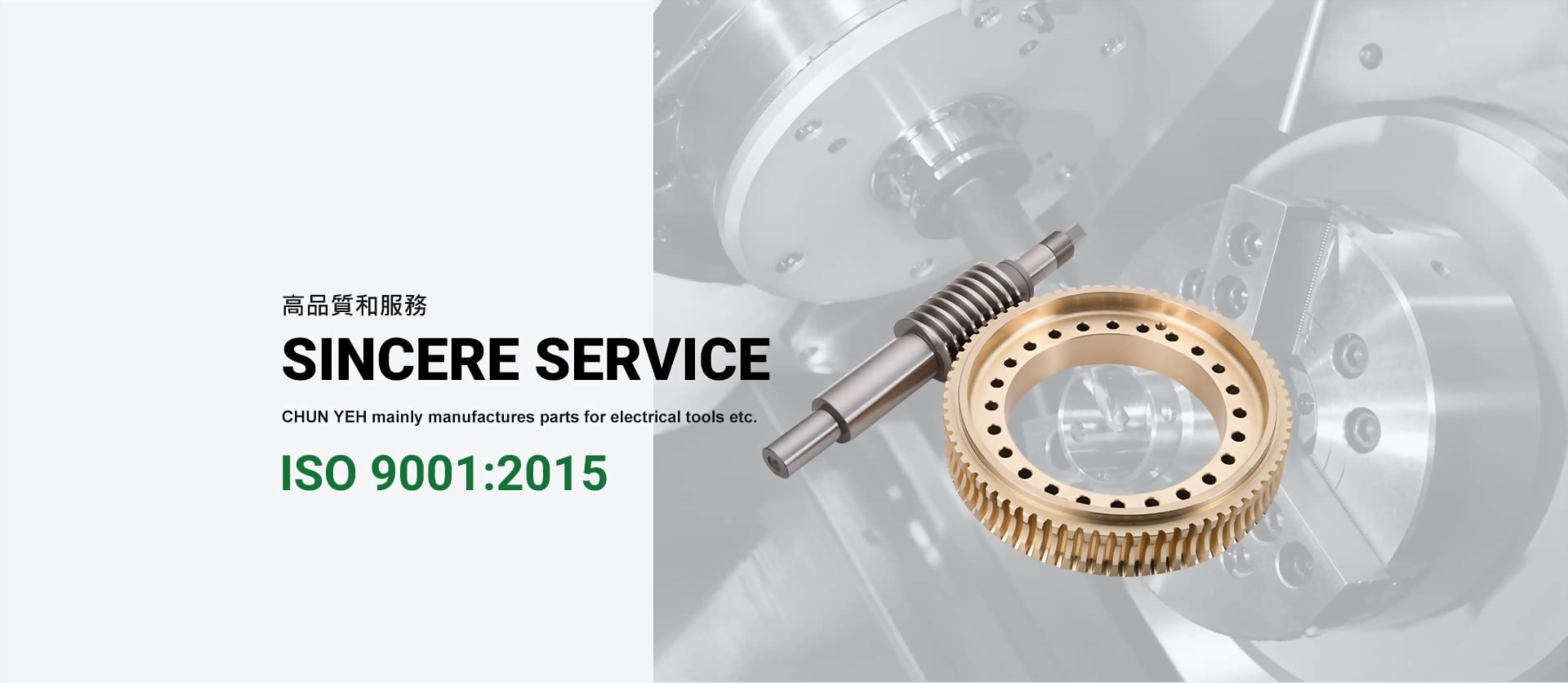
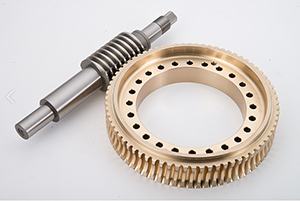
c) Worm Gears:
This is another uniquely designed gear in the world of gears.
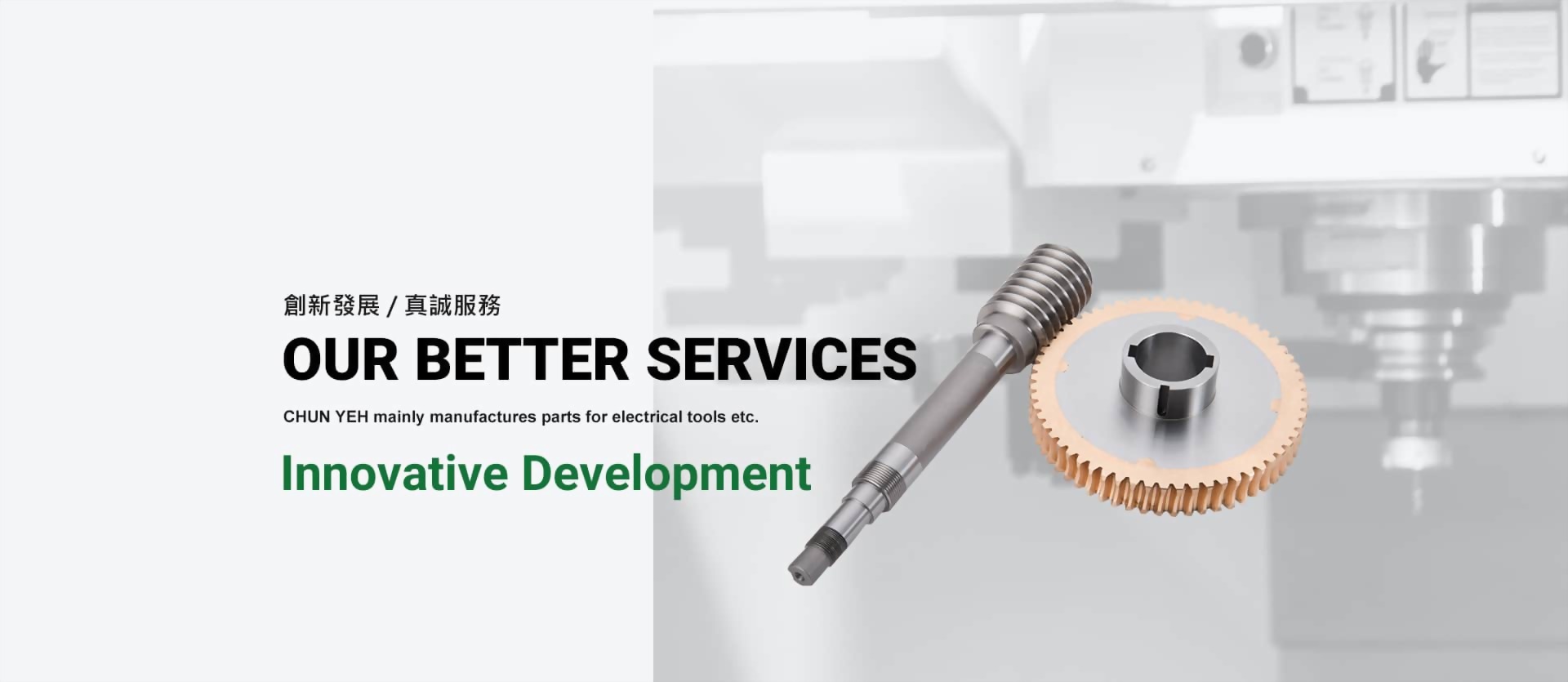
Worm gears consist of a worm, which is a screw-like shaft that meshes with a worm wheel. They are especially adept at providing high torque transmission and have the ability to achieve large reduction ratios that make them an ideal choice for systems where slowing down rotational speed while increasing torque is vital.
Conveyor systems transporting goods and lifting moving objects or people vertically are typical applications benefiting from worm gears.
d) Bevel Gears:
The distinguishing feature of bevel gears is their conical shape, which enables the transmission of motion between non-parallel shafts.
This flexibility in orientation makes them invaluable in scenarios where shafts intersect, often at right angles. One can find bevel gears playing a crucial role in the differential mechanisms of vehicles, ensuring wheels can turn at different speeds, and in complex machinery where power needs redirection at varying angles.
3. Main shaft:
The main shaft of a gearbox is a central component responsible for transmitting rotational power from the engine to the rest of the gears.
It's typically supported by bearings and operates longitudinally through the gearbox housing. The design of the main shaft determines speed ratio and gear engagement, which affects the efficiency of the vehicle and machinery.
Depending on the gear configuration, the main shaft's connection to the gears regulates power distribution, enabling the desired torque and speed adjustment.
Its vital function in power transmission makes it an integral component in the entire gearbox system.
4. Counter shaft:
The countershaft is another vital component in a gearbox. It is positioned parallel to the main shaft and interacts with various gears.
Unlike the main shaft, the countershaft’s main role is to realize different gear ratios rather than transfer power. It may run at or lower than engine speed in accordance with the gear ratio.
The countershaft plays a crucial role in determining the efficiency of the performance and power transmission of a vehicle with manual or automatic transmissions.
5. Bearings:
Bearings are also an integral part of the gearbox that supports shafts and moving parts. They ensure alignment, reduce friction, and distribute loads generated by gears.
Common types of bearings found in a gearbox include ball, roller, and thrust bearings, each of which is designed to accommodate specific load and motion requirements.
Bearings play the role of improving efficiency, reducing wear, and contributing mainly to the durability of a gearbox. It is important to provide proper maintenance and lubrication to the bearings on a regular basis to ensure sustained performance.
Final Words
Hopefully, this article has given you insight into the importance of gearbox components and how each contributes to the overall functionality and capability of gearboxes.
In this domain, no one understands better than CHUN YEH GEAR CO., LTD. – a leading, innovative transmission gear manufacturer & supplier with over 30 years of expertise.
We have professional teams, cutting-edge precision instruments, and the knowledge to deliver products and services to meet your demands.
Whether you're seeking solutions to meet your design or production needs or simply wish to learn more about what we can offer, contact us and we'll be more than happy to assist you with tailored solutions!
p{
width:100%;
}